


Boost Rider: Car Racing Games
4.5291.00 Reviews
App Specs
- Version
- 1.0.18
- Updated On
- License
- Free
- Downloads
- 1,000,000+
- Developer
- Estoty
- Categories
- Racing
- Platform
- Android
Screenshots

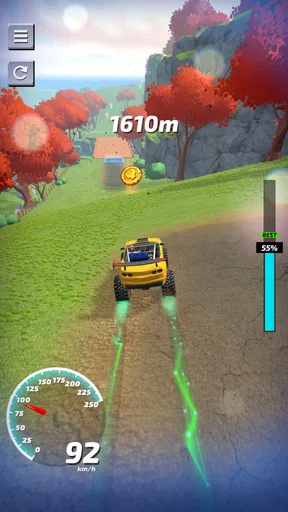
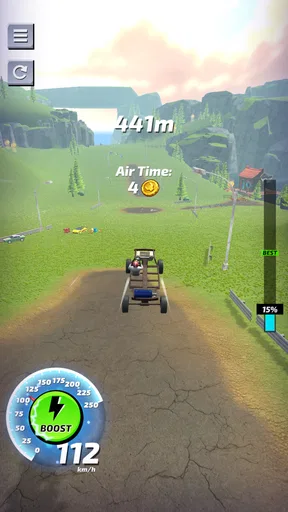
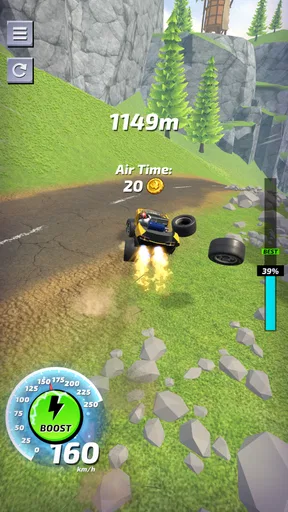
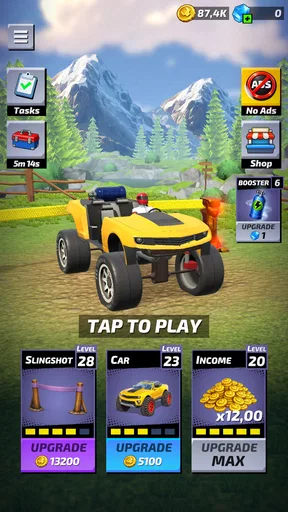
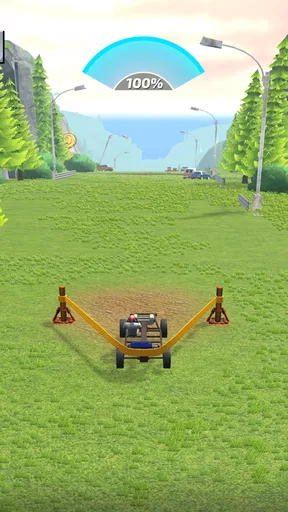
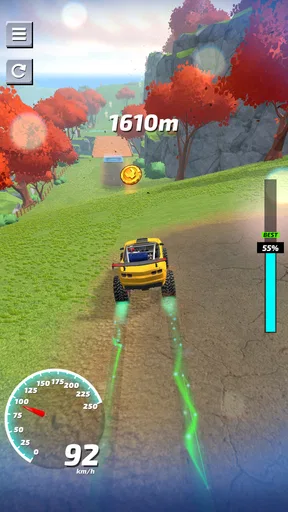
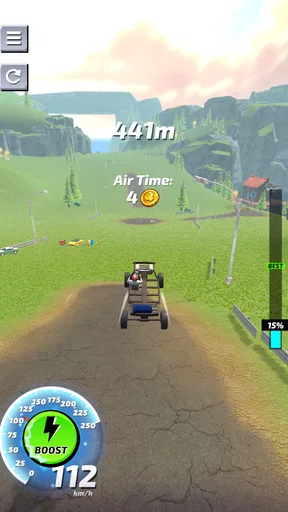
 Analysis by AppCompare
I tend to judge a mobile racer by what happens after the first exciting run: do I understand what I did well, and can I make the next attempt feel more deliberate? Boost Rider works best when I treat each run as a small experiment rather than just holding the controls and hoping for a better result. Its boost timing gives me a clear thing to practise, while the racing format makes it easy to fit a session into a spare moment. That combination is the main reason I’d suggest trying it if you enjoy quick, repeatable driving challenges.
A useful rhythm for short sessions
My most reliable approach is to start with one uncomplicated run and pay attention to how the controls respond before chasing a personal best. I focus on keeping the vehicle steady, then choose a moment to use the boost instead of spending it as soon as it is available. On the next attempt, I change just one part of that routine. This makes it easier to tell whether a different boost moment helped, and it avoids turning every mistake into a reason to change everything at once.
That habit is especially useful when I only have a few minutes. A quick session can be about learning the feel of a course or challenge, not completing a long progression. If I have more time, I can repeat the same kind of run and compare my decisions. The game’s mix of missions and challenges gives those repeats a purpose, although players who need a detailed training mode or extensive race analysis may prefer a more simulation-focused alternative.
Small decisions that make runs more consistent
I would not assume that faster inputs automatically mean faster results. When a race gets busy, pressing acceleration, braking, and boost in a rush can make it harder to judge which action actually caused a wobble. I get more useful feedback by keeping my inputs simple and saving the boost for a stretch where I can use it with intent. If the controls feel less responsive during a chaotic section, I try a calmer run and see whether the problem persists before blaming my timing.
It also helps to decide what counts as a successful attempt before starting. Sometimes that means reaching the finish cleanly; other times I’m testing whether I can use a boost more carefully. This is a practical way to keep the game enjoyable when a challenge takes several tries. It also keeps a single poor run from feeling like evidence that the controls or the whole game are unfair.
Who will get the most out of it
I think Boost Rider suits players who like arcade-style racing, short attempts, and a skill to practise between runs. It can work well during a commute break or while waiting for something, provided you have enough attention to react to the race. It is less suitable if you want deep vehicle simulation, a long story, or a racer where careful planning matters more than quick decisions. In those cases, a more realistic driving game or a broader racing title may be a better match.
The game is free to play, and its in-app purchases range from $1.99 to $59.99 per item, so I’d decide in advance whether I’m happy to spend anything. I don’t treat a purchase as necessary to enjoy a run; I first see how far the standard experience takes me. That boundary matters in any free mobile game, especially if you are handing a device to a younger player. The Everyone age rating makes the game accessible to a broad audience, but it does not remove the value of setting expectations around optional spending.
Worth Reading Before You Choose

Flipboard Shows What News Apps Must Do Beyond the Feed

Switching to Android Auto Means Rethinking Your Driving Routine

Google Calendar Makes a Crowded Week Easier to Manage

Ludo King Makes the Most of the Minutes Between Plans

Baby Panda World Brings Quick Play to Modern Phones, but Its Game Library Feels Busy

ESPN’s Live Game View Makes Following Close Games Easier
Where it sits among mobile racers
Compared with racers built around long championships, licensed cars, or detailed tuning, this one feels better suited to quick bursts and repeated attempts at improving your own execution. Its boost-focused play gives each run a simple tactical question: when is a burst of speed worth using? That is a more approachable hook than learning a complicated handling model, but it also means players looking for a large roster of modes or realism may find the experience narrower.
Customization can add a personal touch, but I would keep my expectations practical: changing a ride is enjoyable, while learning to use the controls consistently is the habit that makes each run feel more controlled. I also avoid assuming that a different setup will solve every difficult race. When progress stalls, repeating a challenge with a deliberate boost plan is a better first step than making several changes without knowing what helped.
Revving Up the Engines
The first thing that struck me about Boost Rider is its sleek, vibrant graphics. From the get-go, you're thrown into a world that's as visually stunning as it is immersive. The developers have done an exceptional job in creating a dynamic environment that keeps you engaged at every turn. Whether you're racing through desert landscapes or bustling cityscapes, the attention to detail is impressive. Trust me, you'll find yourself pausing just to admire the scenery—if only for a second before the next hairpin turn!
The Gameplay Experience
Now, let's talk gameplay. Boost Rider offers a simple yet addictive control scheme that’s easy to pick up but challenging to master. You’ve got your standard acceleration and brake controls, but where the game really shines is in its unique boost mechanics. Timing your boosts perfectly can make or break your race, and it adds an exciting layer of strategy to each run. I found myself on the edge of my seat, trying to shave seconds off my times by hitting that boost at just the right moment.
The game also boasts a variety of missions and challenges that keep things fresh. Whether it's beating the clock or outmaneuvering opponents, there's always something new to tackle. And let’s not forget the customization options! You can tweak your ride to your heart’s content, adding a personal touch to your racing machine. It’s these little details that keep you coming back for more.
Soundtrack and Audio
Music and sound effects in Boost Rider play a crucial role in enhancing the overall experience. The soundtrack is a high-octane mix of tunes that perfectly match the game’s intensity. Each beat seems to sync with your heart as you blaze through the tracks. And the sound effects? Crisp and impactful. The roar of your engine and the screech of your tires make you feel like you're right in the middle of the action. It's an auditory treat that complements the visual spectacle beautifully.
Room for Improvement?
No game is perfect, and Boost Rider is no exception. While the game offers an exhilarating ride, I did encounter a few hiccups. Occasionally, the controls felt a little unresponsive, especially during more chaotic races. It wasn't a dealbreaker for me, but it's something that might irritate more competitive players. Additionally, while the game is free to download, it does come with in-app purchases. As with many free games, this can sometimes feel a bit intrusive, but it’s manageable if you’re disciplined.
Getting started without overthinking it
Boost Rider is a racing game from Kolka Games, and I’d approach its early sessions with a simple routine: learn the feel of acceleration and braking, then add boost timing once the basic rhythm feels comfortable. That order matters because trying to master every input at once makes it difficult to understand why a run went well or badly. If you are new to mobile racers, a few focused attempts are more useful than repeatedly restarting in frustration.
The game has a 4.7 average from around 3.8 thousand ratings, with over 100 thousand installs. Those figures suggest it has found an audience, but they do not tell me whether its specific handling will suit you. I’d use the first session to answer a more personal question: do you enjoy reacting to the race and refining one decision at a time? If yes, the core loop has a fair chance of holding your attention.
Settings and practical checks
Before settling into longer play, I make a point of checking the controls and audio options the game actually presents on my device. I avoid assuming there is a particular control layout or advanced setting; instead, I look for anything that makes inputs clearer and the sound comfortable for the situation. If I’m playing in a quiet place, lowering audio is an easy courtesy. If I’m relying on engine and tire sounds to follow the action, I keep enough volume to hear them without letting the soundtrack drown out the race.
Device compatibility is worth checking before you plan to make it a regular game. The current version is 1.0.12, and it requires iOS 12 or later. On a phone that meets that requirement, I’d still give the game a short trial before expecting a long session: racing depends on responsive inputs, and my earlier experience of occasional sluggish controls is a reason to notice how it behaves on your own device and connection of attention, rather than assuming every race will feel identical.
Repeatable habits for better attempts
One small but useful habit is to remember the point at which a run started to go wrong. Instead of replaying the whole challenge with no plan, I make the next attempt about that moment: brake more cleanly, avoid hurried inputs, or hold the boost for a better opportunity. This gives a repeated mission a purpose even when the result is not a new best. It also makes the game feel less dependent on luck.
Another trade-off is when to customize. I treat ride adjustments as a way to make the experience feel personal, not as a guaranteed shortcut through a difficult section. If I change the vehicle and my play style at the same time, I cannot tell which made the difference. I prefer to alter one thing, try the same kind of challenge again, and keep the change only if it makes the run more comfortable. That is a modest approach, but it prevents tinkering from taking over the racing.
How I’d fit it into an ordinary day
Imagine having a few minutes before an appointment. I’d pick one challenge, decide whether I’m aiming for a clean finish or practising boost timing, and play a small number of attempts. If the controls feel crowded or my attention is split, I’d stop rather than turn a quick break into an irritating run. The game is at its best when I can focus enough to react, even if I’m not settling in for a long gaming session.
That makes it a better fit for someone who enjoys compact arcade play than for a player who wants a deep career to return to over weeks. The missions and challenges provide reasons to come back, but the appeal I find here is the repeatable driving problem, not a promise of a sprawling campaign. If you want licensed vehicles, realistic handling, or extensive race-by-race strategy, a different mobile racer will probably serve you better.
What to expect from progression and spending
Because the game is free and offers optional purchases, I’d separate enjoying the driving from deciding whether to spend. The listed items range from $1.99 to $59.99 each, which is a broad enough spread that I would check the individual purchase details carefully before confirming anything. I would not buy something simply because I had a frustrating attempt; first I’d repeat the challenge with a clearer plan and see whether practice solves the problem.
For parents or anyone sharing a device, that is the practical point to discuss: the game is rated Everyone, while purchases remain a separate consideration. A rating tells me the intended age suitability, not how a household should handle spending. I’d make the purchase boundary clear before handing over the phone, rather than trying to sort it out after a tempting in-game prompt appears.
Who should pass, and why
I would skip this one if I mainly wanted a realistic driving model, long-form competition, or a game that rewards patient route planning more than quick reactions. Its boost mechanic is a neat source of tension, but it is not a substitute for the depth of a full racing simulator. I’d also be cautious if occasional control sluggishness would ruin the experience for me; competitive players who need consistently precise input may be happier with a racer whose handling they can test and trust before investing time.
On the other hand, if you like short races, visual variety, and a manageable skill to work on, Boost Rider is easy to recommend as a free download to try. Its strongest appeal is not that every run is flawless, but that a small adjustment to timing can make the next attempt feel more intentional. That is enough to make it a pleasant option between larger games, as long as you keep expectations grounded and spending deliberate.
Final Lap
In conclusion, Boost Rider is a thrilling addition to the mobile racing genre. It's got the looks, the speed, and the addictive gameplay to keep you entertained for hours. Whether you're a casual gamer looking for a quick thrill or a hardcore racer seeking a new challenge, this game has something for everyone. So, if you’re ready to put the pedal to the metal, give Boost Rider a download. You might just find yourself hooked!
Pros
- Smooth graphics and fluid animations.
- Wide variety of challenging levels.
- Intuitive controls for easy gameplay.
- Engaging sound effects enhance experience.
- Regular updates with new features.
Cons
- In-app purchases can be costly.
- Occasional ads interrupt gameplay.
- Requires constant internet connection.
- Limited customization options.
- High battery consumption.
FAQs for Boost Rider: Car Racing Games
What is Boost Rider, and how does it work?
Boost Rider is an exciting racing game available on both Android and iOS. Players navigate through various tracks, using boosts and strategic maneuvers to outpace opponents. The game features stunning graphics, multiple vehicles, and customizable upgrades. It’s designed to provide a thrilling experience for racing fans, with intuitive controls and a competitive edge.
Does Boost Rider require an internet connection to play?
Boost Rider offers both offline and online modes. While you can enjoy single-player races offline, connecting to the internet unlocks multiplayer features and leaderboards. This allows you to compete with players worldwide and track your progress against global competitors, enhancing the overall gaming experience.
Are there in-app purchases in Boost Rider?
Yes, Boost Rider includes in-app purchases. Players can buy premium currency, vehicle upgrades, and cosmetic items to enhance their gameplay experience. While these purchases can offer advantages, they are not essential for enjoying the game, as skillful play can also unlock rewards and progress.
What are the device requirements for Boost Rider?
Boost Rider is designed to run smoothly on most modern Android and iOS devices. However, for the best experience, it’s recommended to have a device with at least 2GB of RAM and a recent operating system version. This ensures smooth graphics and seamless gameplay without lag.
How can I customize my vehicle in Boost Rider?
Boost Rider offers extensive customization options. Players can modify their vehicles with various parts and paint jobs, enhancing both performance and appearance. Upgrades can be purchased with in-game currency or unlocked through achievements, allowing you to tailor your vehicle to match your racing style and preferences.


